

Good Good Golf is facing an unprecedented commercial crisis after Callaway ended its partnership with the YouTube golf brand, while the group has also stepped away from its planned PGA Tour title sponsorship.
The fallout from the controversial Good Good Golf and Callaway advertisement has escalated dramatically, with the fast-growing golf media company now facing the loss of major commercial partnerships, a cancelled television project and an uncertain future with the PGA Tour.
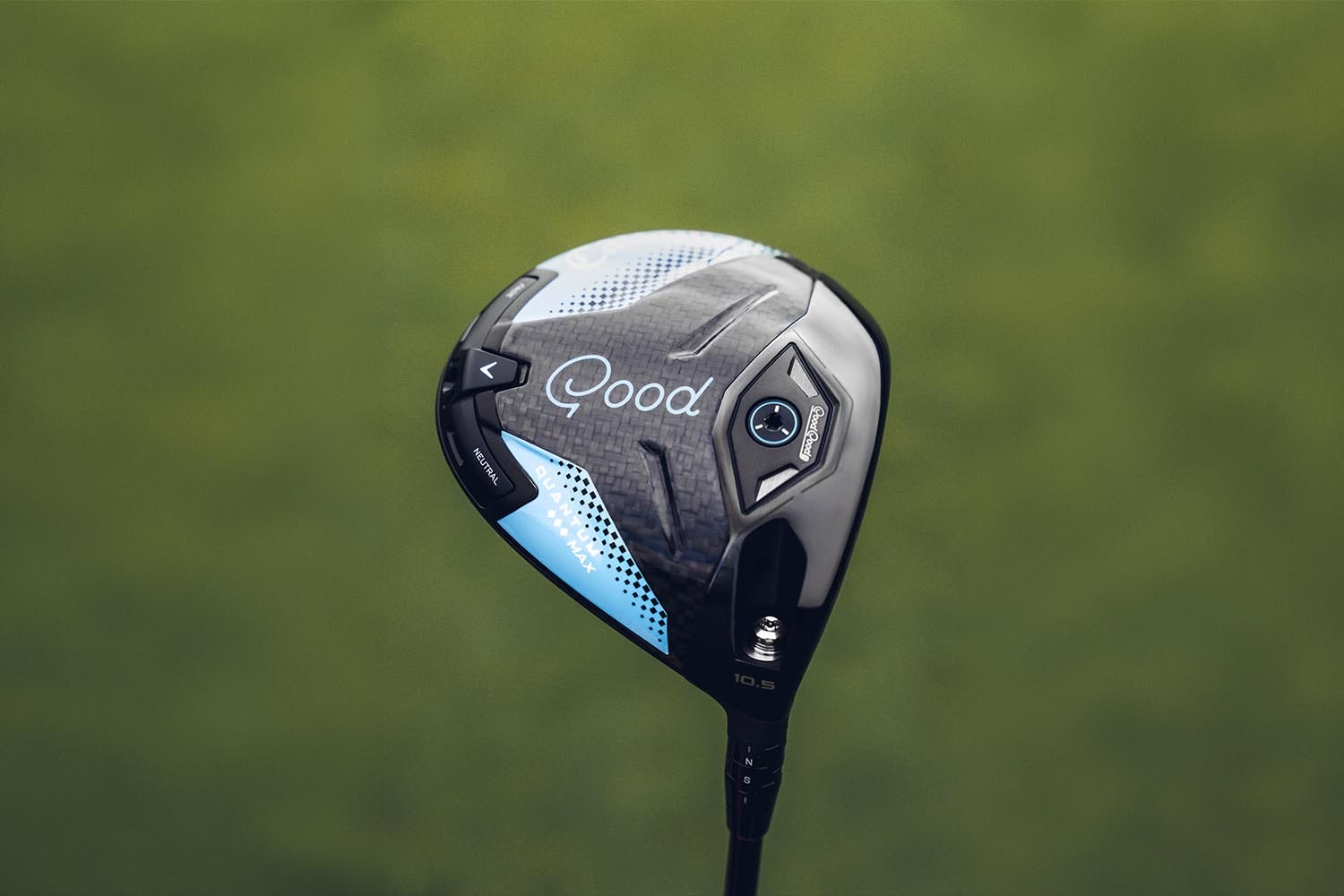
The controversy centres on a promotional video for a co-branded Callaway driver in which Good Good co-founder Garrett Clark pushes fellow Good Good creator Alexis Miestowski to the ground after she reaches for the golf club.
The video was quickly deleted, but continued circulating online and triggered widespread criticism over its depiction of violence against women. Good Good and Callaway subsequently apologised, but the consequences have continued to mount.
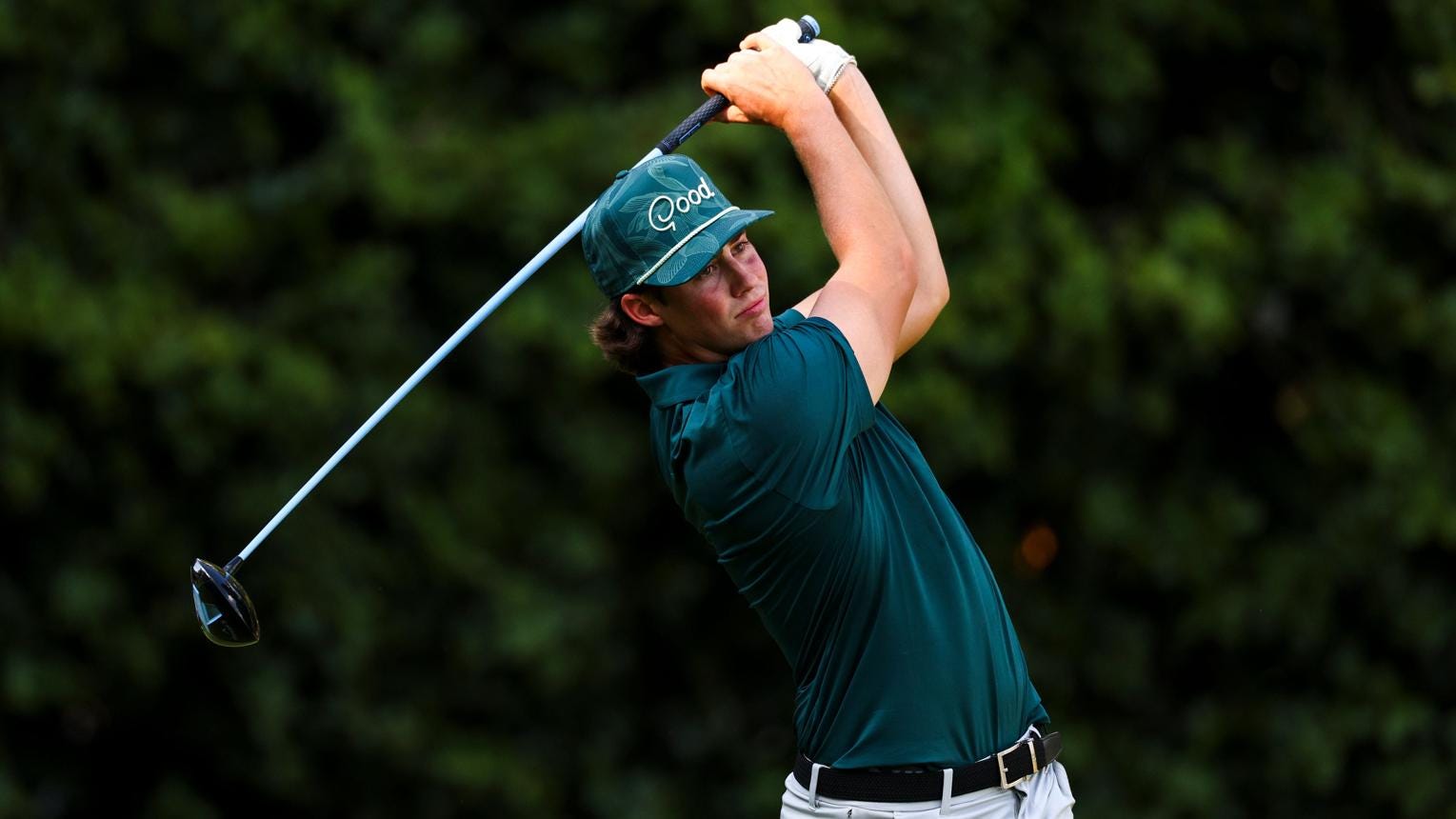
Callaway cuts ties with Good Good Golf
The biggest development came on Thursday when Callaway announced that it had ended its relationship with Good Good with immediate effect.
The equipment manufacturer acknowledged that its own approval process had failed and announced a $1 million commitment to organisations working to prevent violence against women and support survivors.
Callaway said: “Unequivocally, violence against women is unacceptable and should never be trivialized, normalized, or used as entertainment.”
The company also said: “These actions do not undo the harm caused or excuse our role in it. We sincerely apologize to everyone who was hurt, disappointed, or offended by this incident.”
The split brings an abrupt end to a three-year commercial relationship between Callaway and Good Good, which had become one of the most prominent partnerships between a traditional golf manufacturer and the rapidly expanding creator-golf industry.
Good Good drops PGA Tour title sponsorship
The consequences have also reached the PGA Tour.
Good Good had been scheduled to serve as title sponsor of a new PGA Tour event in Austin, Texas, from November 12-15. However, following discussions with the Tour, the company confirmed that it would step away from the sponsorship.
Good Good said: “We recognize that we have work to do as an organization, and our focus right now is on our team, our culture and ensuring we learn from this situation.”
The tournament will continue, but under a different name, with the PGA Tour expected to provide further details about its sponsorship arrangements.
The development is particularly significant because Good Good had been successfully building a bridge between traditional professional golf and the enormous audience generated by YouTube golf creators.
PGA Tour chief had already criticised the response
PGA Tour CEO Brian Rolapp had previously described the situation as concerning and criticised Good Good’s initial response to the controversy.
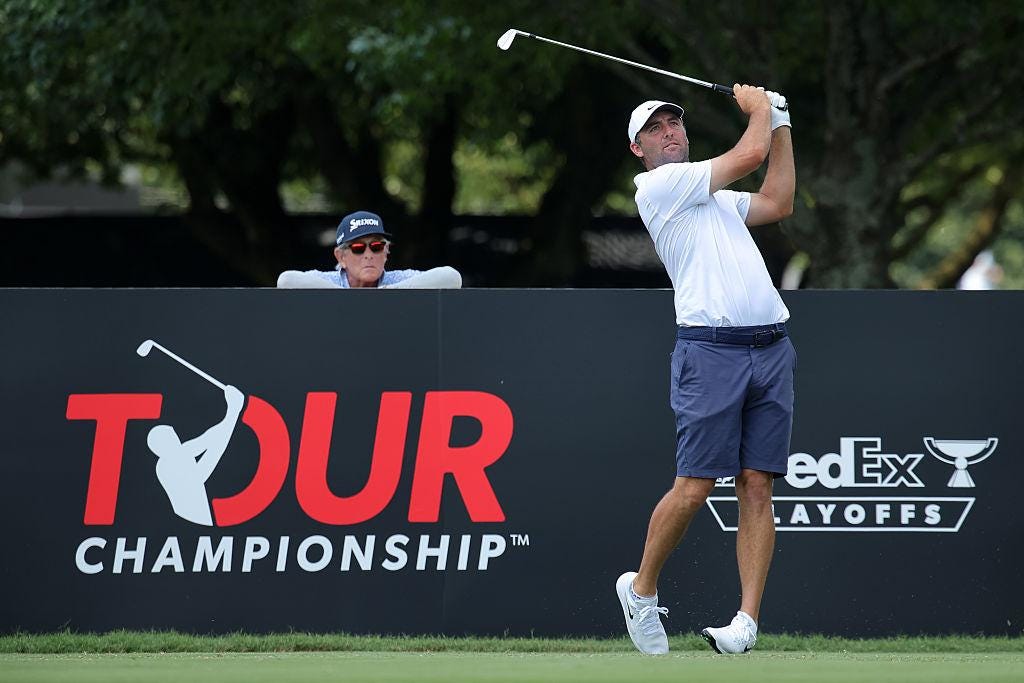
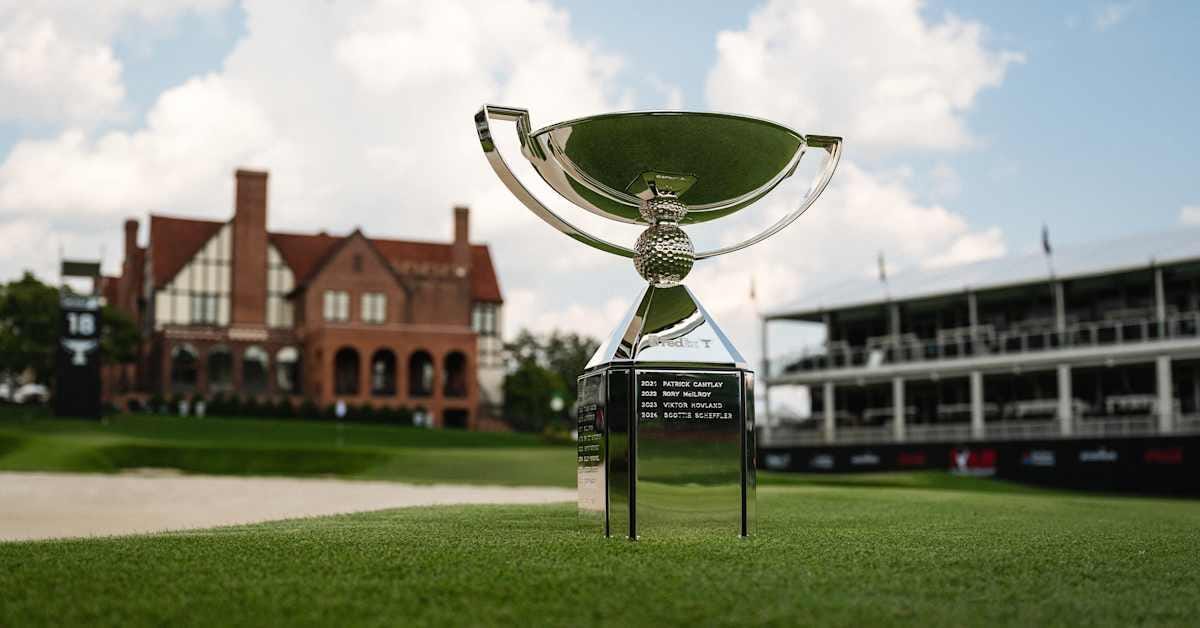
Speaking ahead of the Tour Championship, Rolapp said: “I think what we saw was concerning, [and] is clearly not aligned with PGA Tour values.”
He added: “I think their initial response was disappointing. It was a bit defensive and late. But I think the responses are getting better.”
His comments came before Good Good ultimately withdrew from the Austin event.
7
Golf Channel cancels Good Good show
The commercial damage has gone beyond Callaway and the PGA Tour.
Golf Channel had been preparing a new season of Big Break x Good Good, but the programme has now been cancelled following the controversy.
Retailers including Dick’s Sporting Goods and Golf Galaxy have also pulled Good Good merchandise, further demonstrating how quickly the controversy has moved from a social-media backlash into a wider business crisis.
That makes the episode particularly significant for the rapidly growing world of creator-led golf, where personalities and brands increasingly operate across YouTube, television, apparel, equipment and professional tournaments.
Garrett Clark apologises
Clark subsequently issued a lengthy personal apology, acknowledging that the advertisement was a serious mistake.
In his apology, Clark said: “Looking back, super dumb ad concept, terrible ad in general.”
He also said: “Minutes after it got posted, I was cringing. I thought it was the worst ad known to man.”
Clark has also condemned abusive messages directed towards Miestowski following the controversy.
The original advertisement was reportedly intended as a parody of the horror film Obsession, but that explanation has done little to halt the backlash.
What happens to Good Good Golf now?
The immediate question is whether Good Good can rebuild its commercial relationships after one of the most damaging weeks in the history of the golf creator economy.
The company had grown from a YouTube channel into a major golf entertainment and lifestyle brand, with more than two million subscribers and partnerships across the golf industry.
But within days, it has lost Callaway, abandoned a planned PGA Tour title sponsorship, seen its television project cancelled and had major retailers remove its products.
For Good Good, the focus now appears to be on rebuilding trust — both with commercial partners and with the golf audience that helped turn the company into one of the biggest names in online golf.
The story remains developing as the golf industry assesses the fallout from the Good Good Golf and Callaway controversy.